






言葉を超えて、人と人、そして未来をつなぐ。日本で夢を叶えたい皆さんのための、実践的な日本語スクール。
私たちがこのオンライン日本語スクールを立ち上げたのには、ある想いがあります。それは、日本で暮らしたい、日本で働きたいと、大きな夢や希望を持って日本に来た方々が、
言葉や文化の違いによって、本来持っている素晴らしい力を十分に発揮できずにいる姿を、これまでたくさん見てきたからです。
実際の職場でも、
「日本語での挨拶に自信がない」
「電話でうまく話せるか不安」
「日本人の同僚ともっと仲良くなりたいけれど、
どうしたらいいかわからない」
そんな声を耳にすることがあります。
せっかく素晴らしい能力や経験を持っていても、言葉の壁があることで、周りの人との信頼関係を築くのが難しかったり、仕事のチャンスを逃してしまったり。日本での生活を心から楽しめずにいる方もいらっしゃいます。私は、そんな状況を少しでも変えていきたいと思いました。
だからこそ、私たちが目指しているのは、
ただ日本語を教えるだけの学校ではありません。
日本語を学ぶことをきっかけに、皆さんの可能性がもっと広がり、日本での生活や仕事がより豊かなものになってほしい。そんな想いで、この学校をつくりました。
Mirai Tasteでは、実際の仕事で役立つ日本語はもちろん、日本ならではの文化や習慣、相手を思いやるコミュニケーションも大切にしています。私自身、これまで長い間、ITやクリエイティブの仕事を通じて、日本人とさまざまな国のスタッフが一緒に働くチームをつくってきました。もちろん、最初からすべてがうまくいったわけではありません。
言葉の受け取り方が違ったり、文化や時間に対する考え方が違ったり。小さなすれ違いや、思うように伝わらないこともたくさんありました。でも、お互いの違いを理解し、相手の気持ちを考えながらコミュニケーションを重ねることで、少しずつ信頼関係が生まれ、国籍を超えた素晴らしいチームをつくることができました。そうした経験の中で、私がとても大切だと感じたことがあります。
それは、何を伝えるかだけでなく、どのように伝えるか、どんなタイミングで伝えるか、そして、どうすればお互いに信頼し合えるかということです。
これは、日本で仕事をするうえでも、とても大切なことだと思っています。だからこそ、私たちは、教科書の中だけでは学べない、実際の生活や仕事で役立つ日本語やコミュニケーションを、皆さんにお伝えしていきたいと考えています。
私は、日本語は単なる言葉ではなく、
皆さんの新しい未来につながる、大切な鍵だと思っています。日本語を学び、日本の文化や考え方を知ることで、周りの人との信頼関係が生まれ、自分に自信が持てるようになる。そして、自分の力をもっと発揮できるようになり、日本での仕事や生活が、きっと今より楽しく、充実したものになっていくと思います。
さらに、皆さん一人ひとりが日本で活躍することは、これからの日本の社会や未来にとっても、とても大きな力になると信じています。
日本を、ただ仕事をする場所ではなく、
自分らしく暮らし、成長し、
人生を楽しめる場所にしてほしい。
それが、私たちの願いです。そして、そのためのお手伝いをすることが、Mirai Tasteの大切な役割だと考えています。
言葉を超えて、人と人がつながり、
お互いを理解し、
一緒に成長していく。
そんな素晴らしい未来を、皆さんと一緒につくっていけたら、とても嬉しく思います。
一緒に、素敵な未来をつくっていきましょう



選ばれる理由
日本語✖️文化✖️コミュニティから
職業紹介、就職後もサポートします!
学んで終わりではない。
夢を叶えるスタートラインです。
私たちMirai Tasteが目指しているのは、ただ日本語を学ぶだけの学校ではありません。
日本で暮らしたい、日本で働きたい、
そして日本で自分の夢を叶えたい。
そんな皆さんが、安心して新しい一歩を踏み出せる場所をつくりたいと思っています。日本で生活したり、仕事をしたりするためには、もちろん日本語を学ぶことが大切です。
でも、実際に日本で働いてみると、言葉だけではなかなか伝わらないこともあります。
例えば、日本ならではのマナーや習慣、相手を思いやる気持ち、職場でのコミュニケーション。私自身、これまでさまざまな国のスタッフと一緒に仕事をする中で、文化の違いから生まれる難しさも、そして、お互いを理解することで生まれる素晴らしいチームワークも経験してきました。
だからこそMirai Tasteでは、日本語だけでなく、日本の文化や考え方、実際の生活や仕事で役立つコミュニケーションも一緒に学んでいただきたいと考えています。そして、もう一つ大切にしているのが、人と人とのつながりです。先生や仲間との出会いを通じて、相談できる人ができたり、新しい情報やチャンスに出会えたり。そんな温かいコミュニティも育てていきたいと思っています。
でも、私たちが本当に
大切にしているのは、その先です。
日本語を学んで、日本の文化を理解して、それで終わりではありません。学んだことを活かして、日本で自分に合った仕事を見つけること。そして、実際に働き始めてからも、困ったことや不安なことを相談できること。
Mirai Tasteでは、日本語教育から職業紹介、そして就職後のサポートまで、一人ひとりに寄り添っていきたいと考えています。
新しい国で生活を始めることは、楽しみな反面、不安なこともたくさんあると思います。
仕事は見つかるだろうか。日本の職場でうまくやっていけるだろうか。困ったときには誰に相談したらいいのだろうか。そんなときに、安心して頼れる場所がある。私たちは、Mirai Tasteをそんな存在にしていきたいのです。
オンラインスクールだからこそ、場所を選ばず、忙しい毎日の中でも学び続けることができます。そして、学びを通じて生まれたつながりを、就職やその後の生活にもつなげていくことができます。日本には、生涯を通じて学び続ける「生涯学習」という考え方があります。
私たちもその考え方を大切にしながら、学校を卒業したら終わり、就職が決まったら終わり、ではなく、皆さんの成長を長く応援していきたいと思っています。
日本語を学ぶことは、
ゴールではありません。
それは、新しい仕事、新しい仲間、そして新しい人生の可能性を広げるための第一歩です。
Mirai Tasteは、学んで終わりではない、皆さんが安心して日本で夢に向かって挑戦できるオンラインスクールです。皆さんの夢を叶えるスタートラインに、私たちが一緒に立てたら、とても嬉しく思います。


まずは体験レッスンから
Mirai Tasteでは実際に活用できる日常会話、仕事、JLPT対策、就職面接など様々なオンラインレッスンをご用意しています。
生徒様の学びたい内容に合わせてレッスンを最適化します。
完璧な日本語は必要ありません。質問をしたり、新しい表現を試したり、あなたのペースで学べるフレンドリーな環境です。
あなたの夢を叶えるために、勇気をもって一歩を踏み出してください。
只今、入会費無料キャンペーン中!
お申し込みはお早めに。2026年末まで



豊富なレッスン内容








講師のご紹介
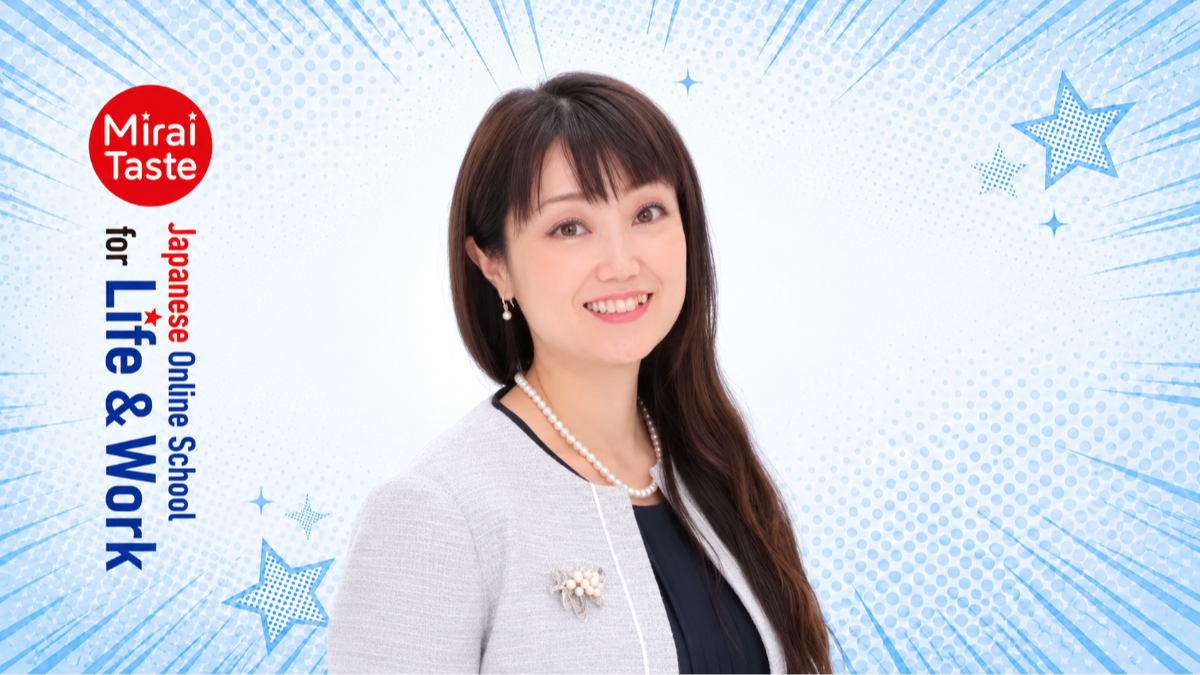
Teacher : なおこ 先生
こんにちは!はじめまして。 私は約10年間、ITやクリエイティブ業界で国際的なチームメンバーと共に働いてきました。 これらの経験を通じて、異なる国の人々が楽しく協力し合い目標を達成するためには、言語を学ぶだけでなく、お互いの文化や価値観を尊重しながらコミュニケーションを取ることが重要だと気づきました。 このウェブサイトとレッスンを通じて、日本で働きたい方やすでに働いている方をサポートし、日本でより豊かで充実した生活を送り、日本社会を支える活躍するメンバーになっていただければと思っています。 私のレッスンでは、日本語のスキルだけでなく、日本で働く際に役立つ実践的なコミュニケーションスタイルや文化理解も学べます。【私について】 学生時代はチアリーディングに取り組み、人を励まし成長を支えることが大好きでした。 そのため、以下のことについても喜んでお話しします: ・職場でのコミュニケーション ・日本人同僚との関係 ・文化の違い ・日本で働くことへの不安 クリエイティブな仕事のほかに、私は以下の資格も持っています: ・日本の中学校教員免許 ・保育士資格 初心者の方でも安心して参加できるよう、いつも優しくわかりやすい指導を心がけています。私は2つの会社を経営しています。Tokyo Taste LTD.(バングラデシュ・ダッカオフィス)、SugarTaste株式会社(東京オフィス) また、バックパッカーとして2ヶ月間一人で世界を旅した経験もあります。 異なる国の人々と出会い、その文化を学ぶことは私の人生で最も貴重な宝物の一つとなっています。 世界中の皆さんと出会い、一緒に学べることを心から楽しみにしています。 リラックスしたフレンドリーな雰囲気の中で、日本語学習を一緒に楽しみましょう。
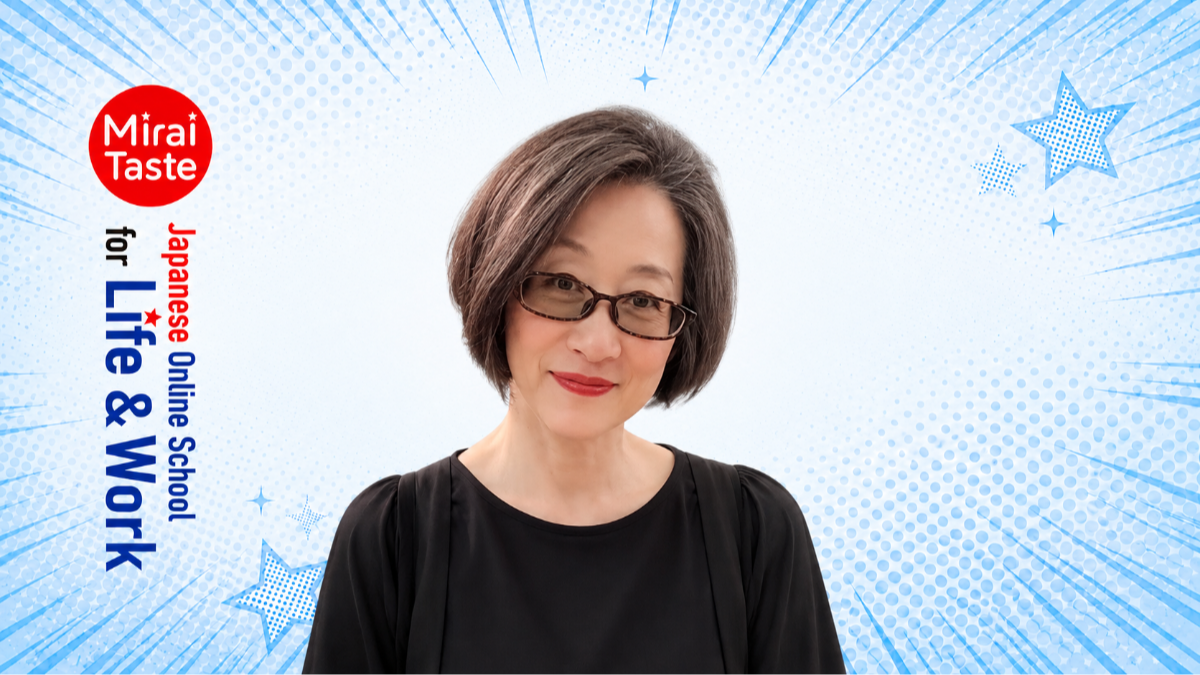
講師のご紹介
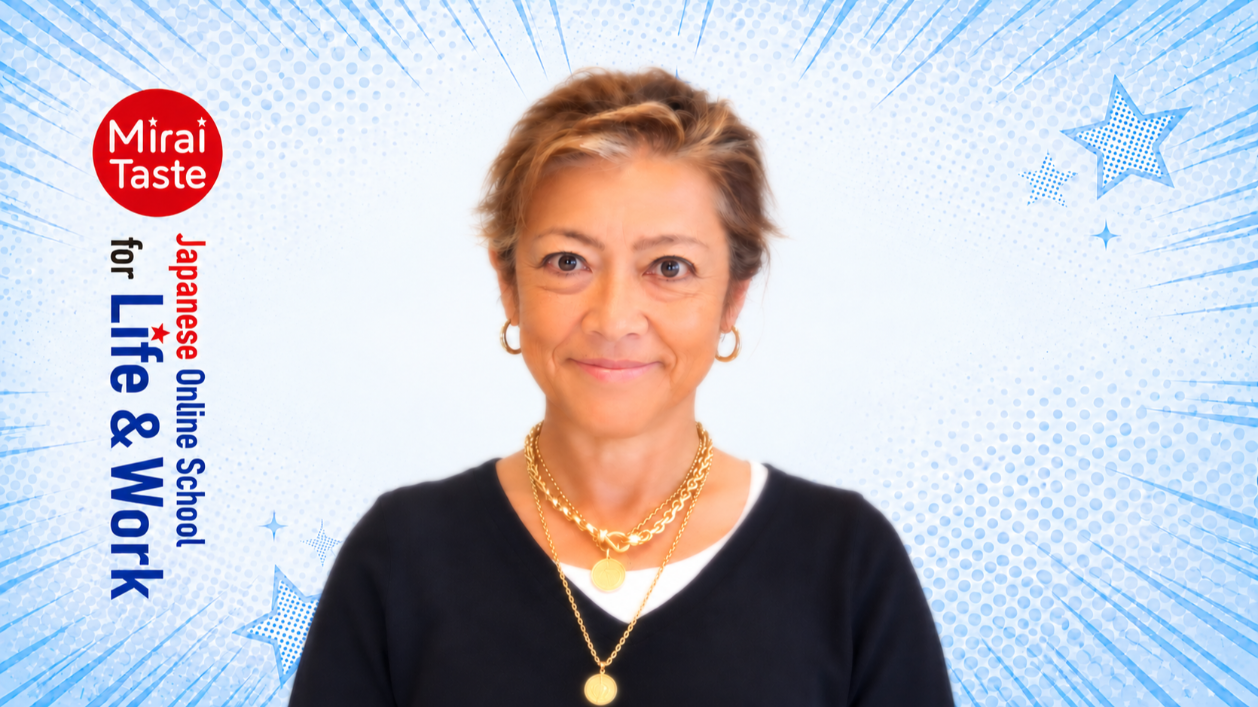
講師 : アコ 先生
大学卒業後、ソニー株式会社海外事業本部に入社し、海外市場向け広告・マーケティング業務に携わりました。その後、夫の海外赴任に同行し、イタリア、プエルトリコ、ブラジル、アルゼンチン、アメリカで生活。さらに高校時代にはAFS交換留学生として海外で学ぶなど、合計26年間にわたり海外で暮らし、多様な文化や価値観に触れてきました。帰国後は、イタリア製アパレルを扱う専門商社にて貿易業務や現地買い付けを担当。また、イタリア語通訳案内士として活動し、NHK番組「世界はほしいモノにあふれてる」のイタリア関連企画では音声翻訳にも携わりました。長年海外で生活した経験から、日本語や日本文化の魅力を改めて実感し、日本語教育能力検定試験に合格。世界各国からの留学生に日本語を教えています。海外生活の経験を活かし、学習者一人ひとりの文化的背景や気持ちに寄り添いながら、「伝わる日本語」と「日本で役立つコミュニケーション」を分かりやすく、楽しく学べるレッスンを心がけています。
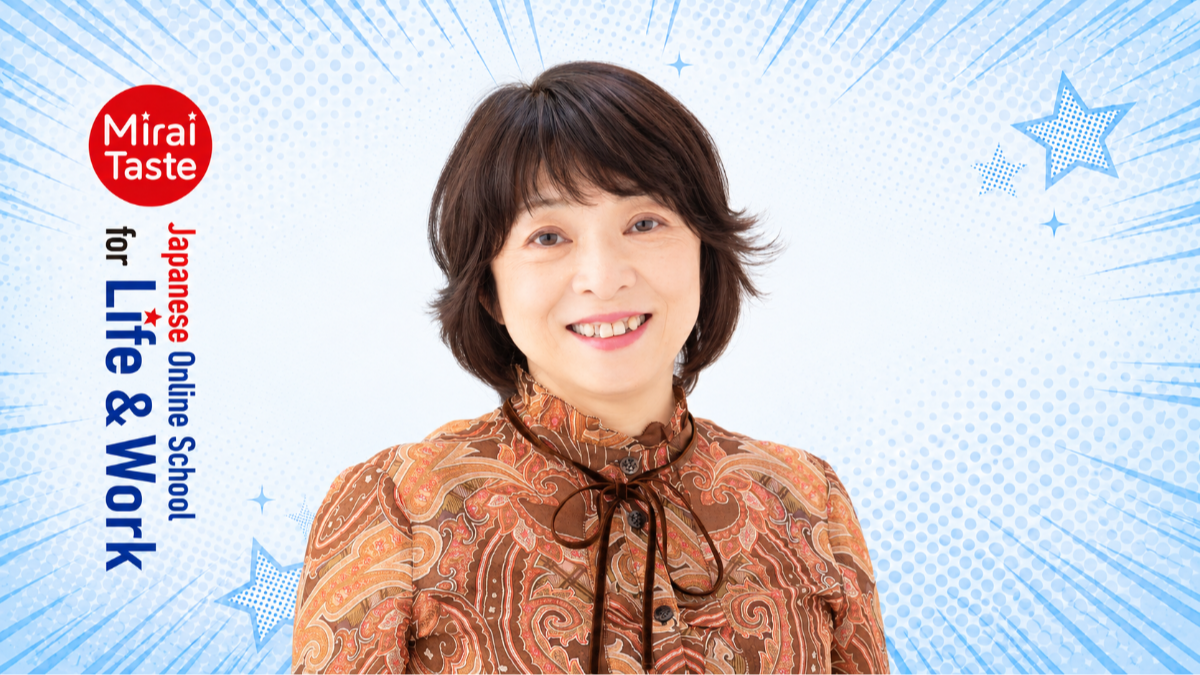
講師のご紹介
講師 : 長谷 先生
はじめまして。登録日本語教員の長谷です。 日本語教師になる前は、会社員をしつつ、国際協力活動をしていました。フィリピンやミャンマー、ウガンダなどで現地の人たちと過ごしてきました。そこでは、私が「外国人」でした。「こんにちは」「ありがとう」しか言えなかったけれど、通っていたジムのトレーナーや市場の女性、近所の子どもたちが楽しそうに、嬉しそうに私に言葉を教えてくれました。文法はわからなかったけれど、生活の中で使える言葉を、生活しながら少しずつ自然に覚えていきました。 学んだのは言葉だけではありません。その国のマナーや習慣、宗教などにも慣れないといけませんでした。日本人の私には驚くこと、理解できないことが多かったですが、それらを理解して、慣れれば慣れるほど、コミュニケーションがスムーズにいきますし、生活や仕事がしやすくなりました。 2016年にフィリピンの小さな村でインスタント日本語教室を開いたときに、「日本語の先生」になろうと決めました。日本で資格をとり、日本語学校で留学生に日本語を教え始めました。今は、日本で仕事をしている外国人に日本語を教えています。技能実習生や特定技能外国人、介護福祉士候補者などに日本語や仕事に使う日本語の指導をしつつ、日本の会社でのマナーや習慣などを伝えてきました。今は、フィリピンで技能実習生や特定技能外国人の日本語教育や介護の指導などの事前教育もしています。 海外で言葉に困った経験もいっぱいしてきましたし、今も、現地教育では「伝えたい」がうまく伝わっているのか不安に思うことがあります。そうした経験に加え、日本では25年以上の社会人経験がありますので、日本の会社のマナーや習慣についても理解しています。みなさんの「困った」「よくわからない」「うまく伝わらない」という状況も理解できます。レッスンを通して、それらを解消しながら、会社でスムーズにコミュニケーションがとれるようになってもらえれば嬉しいです。 まずは、みなさんが日本語で何をしたいのかを教えてください。それに合わせ、一緒に授業を作っていけたらと思います。レッスンでは、どんどん間違ってください。そこをスタートに、一緒に楽しく学んでいきましょう。
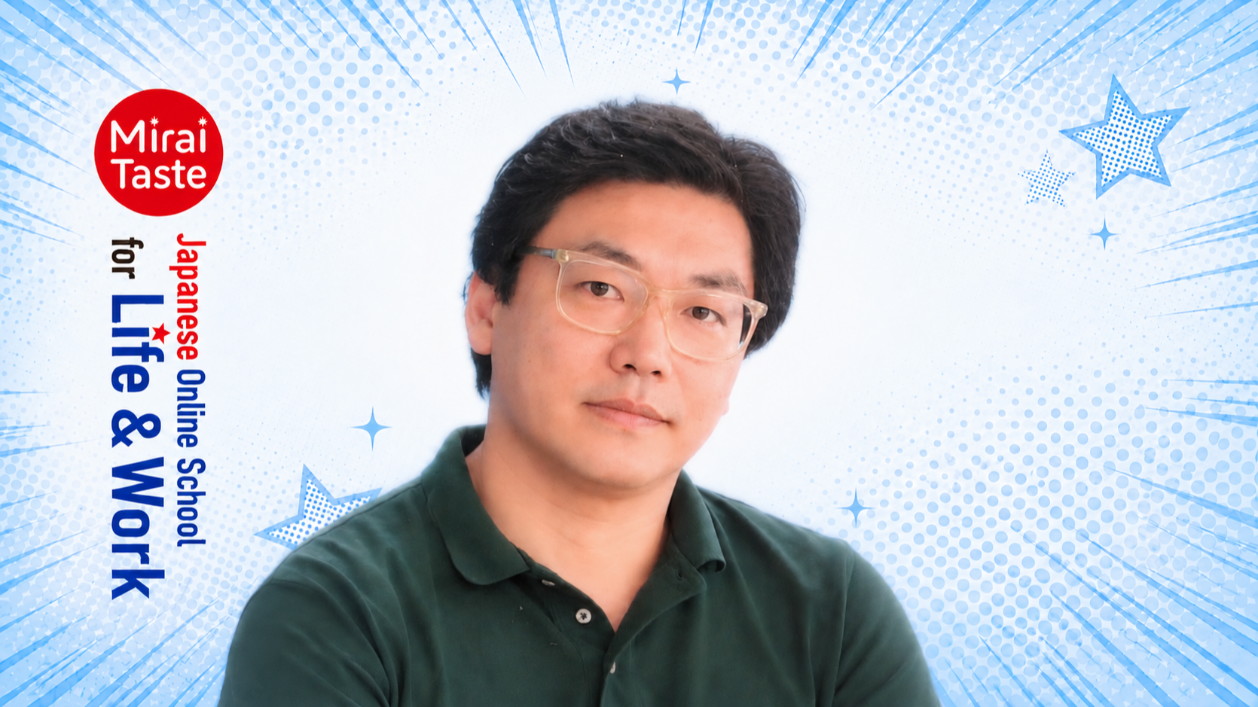
講師のご紹介
講師 : ながせ ようこ 先生
こんにちは。日本語コーチのながせようこです。私が大切にしているのは、みなさんが楽しく日本語を勉強できる場所を作ることです。「もっと話したい!」「もっと知りたい!」と思えるレッスンを、みなさんと一緒に作っていきたいです。私は長い間、外国の会社で働いていました。そのとき、日本語がわからなくてこまっている外国人のどうりょうの力になりたいと思ったことが、日本語コーチになった理由です。コーチになるために勉強する中で、ふつうに使っている日本語でも、知らなかったことがたくさんあるのに気づきました。また、この活動で新しい人たちにも出会いました。自分の世界が広がり、たくさんの人がよろこんでくれるのを見るのはとてもうれしいです。また、今は、奈良公園でボランティアガイドもしています。奈良に住んでいるので、ガイドを始めたのですが、思っていた以上に楽しいことがありました。奈良は、日本の国の始まりに深く関係がある場所です。日本の歴史や日本人の生活の始まりについて勉強する中で、これもまた、新しいことをたくさん知りました。今の生活の中にあるものがどうして始まったのかが分かると、とてもおもしろいです。そして、それを奈良にくる、たくさんの外国人にお話すると、とてもよろこんでくれます。自分の世界が広がるというのは、何歳になっても、ワクワクします。みなさんは、日本語が話せるようになったら、何をしたいですか?日本人の友だちや仕事の人と話したいですか。日本の映画やアニメを見たいですか。日本を旅行して、町の人と話したい人もいるでしょう。日本の会社で働きたい人もいるかもしれません。日本語の言葉や文法をおぼえることはもちろん大切です。でも、おぼえたことばやひょうげんで、日本の文化や人々の生活、考え方を知ることはもっと楽しいです。新しい人に会うこともできます。自分の世界が広がります。日本語が全部分からなくても大丈夫です。今の日本語で楽しめることは、たくさんあります。レッスンの主役は、みなさん一人一人です。まちがいをこわがらず、安心して話してくださいね。コーチは、みなさんをおうえんします。一緒に小さな「できた!」をたくさん作りましょう。少しずつ、自分で決めたゴールに近づいていきましょう。みなさんと日本語で楽しく話せる日を、楽しみにしています。
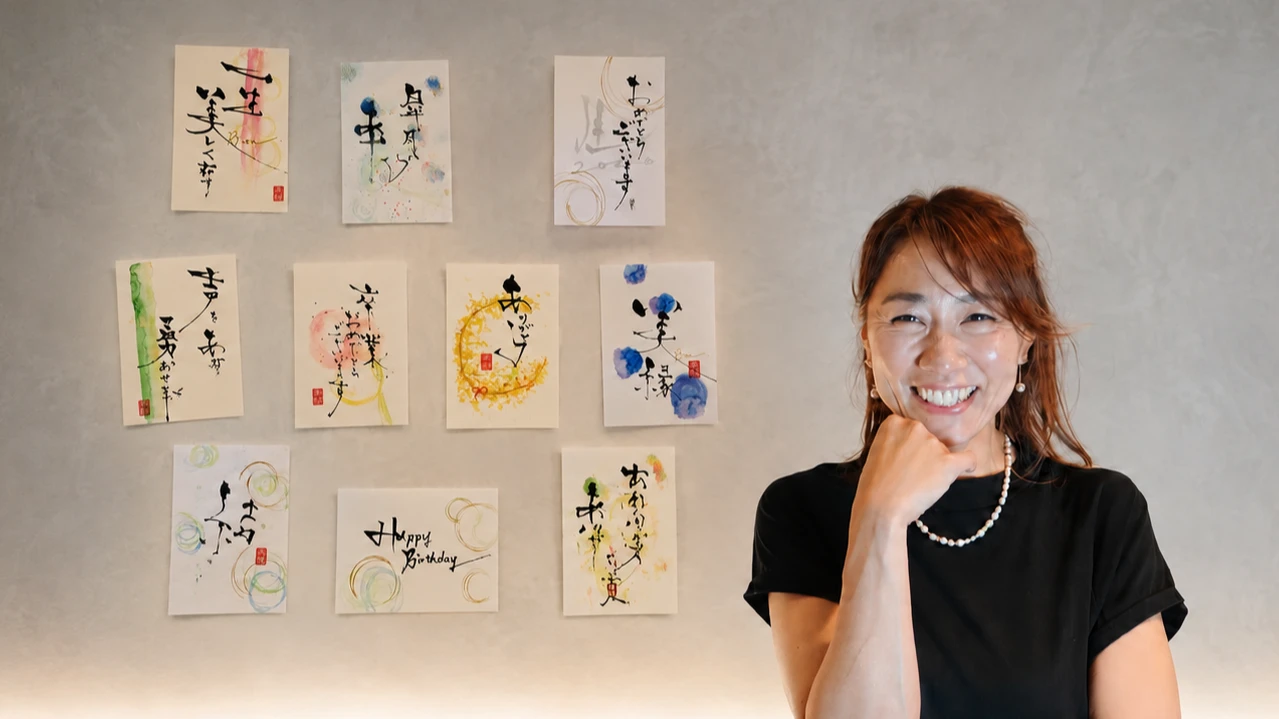
講師のご紹介
講師 : ヒロ 先生
はじめまして、私の名前は 細見 博之 といいます。私は神戸で生まれて今、東京に住んでいます。”関西弁“も、ネイティブでっせ!スケールは違いますが、私も四十数年前に関西から新しい世界を求めて東京に来ました。色んな人に支えてもらい、助けてもらい、今でも楽しく東京で暮らしています。大学は教育学部で、卒業後、外資系コンピュータ会社で33年営業関連の仕事をしておりました。上司・同僚・部下に、アメリカ人、中国人、ブラジル人、オーストラリア人、と一緒に働いていたことがあります。私の趣味は映画見ること、ゴルフをすること、おいしいものを食べること、そしていろんなところに旅行することです。私の授業では“日本語だけ”ではなく、日本の街、日本の人々、日本人のマインド、日本の文化など皆さんと一緒に勉強していければと思っています。そして、四十数年前、私がしてもらったように、皆さんが“日本“を感じて、楽しむお手伝いができればと考えています。本当の日本を知って、今よりもっと“日本”を好きになって欲しいと思います。さぁ、一緒に日本語の旅に出ましょう。 p.p1 {margin: 0.0px 0.0px 0.0px 0.0px; font: 11.0px 'Hiragino Sans'} p.p2 {margin: 0.0px 0.0px 0.0px 0.0px; font: 11.0px Helvetica; min-height: 13.0px} span.s1 {font-kerning: none} span.s2 {font: 11.0px Helvetica; font-kerningはじめまして、私の名前は 細見 博之 といいます。私は神戸で生まれて今、東京に住んでいます。”関西弁“も、ネイティブでっせ!スケールは違いますが、私も四十数年前に関西から新しい世界を求めて東京に来ました。色んな人に支えてもらい、助けてもらい、今でも楽しく東京で暮らしています。大学は教育学部で、卒業後、外資系コンピュータ会社で33年営業関連の仕事をしておりました。上司・同僚・部下に、アメリカ人、中国人、ブラジル人、オーストラリア人、と一緒に働いていたことがあります。私の趣味は映画見ること、ゴルフをすること、おいしいものを食べること、そしていろんなところに旅行することです。私の授業では“日本語だけ”ではなく、日本の街、日本の人々、日本人のマインド、日本の文化など皆さんと一緒に勉強していければと思っています。そして、四十数年前、私がしてもらったように、皆さんが“日本“を感じて、楽しむお手伝いができればと考えています。本当の日本を知って、今よりもっと“日本”を好きになって欲しいと思います。さぁ、一緒に日本語の旅に出ましょう。はじめまして、私の名前は 細見 博之 といいます。私は神戸で生まれて今、東京に住んでいます。”関西弁“も、ネイティブでっせ!スケールは違いますが、私も四十数年前に関西から新しい世界を求めて東京に来ました。色んな人に支えてもらい、助けてもらい、今でも楽しく東京で暮らしています。大学は教育学部で、卒業後、外資系コンピュータ会社で33年営業関連の仕事をしておりました。上司・同僚・部下に、アメリカ人、中国人、ブラジル人、オーストラリア人、と一緒に働いていたことがあります。私の趣味は映画見ること、ゴルフをすること、おいしいものを食べること、そしていろんなところに旅行することです。私の授業では“日本語だけ”ではなく、日本の街、日本の人々、日本人のマインド、日本の文化など皆さんと一緒に勉強していければと思っています。そして、四十数年前、私がしてもらったように、皆さんが“日本“を感じて、楽しむお手伝いができればと考えています。本当の日本を知って、今よりもっと“日本”を好きになって欲しいと思います。さぁ、一緒に日本語の旅に出ましょう。はじめまして、私の名前は 細見 博之 といいます。私は神戸で生まれて今、東京に住んでいます。”関西弁“も、ネイティブでっせ!スケールは違いますが、私も四十数年前に関西から新しい世界を求めて東京に来ました。色んな人に支えてもらい、助けてもらい、今でも楽しく東京で暮らしています。大学は教育学部で、卒業後、外資系コンピュータ会社で33年営業関連の仕事をしておりました。上司・同僚・部下に、アメリカ人、中国人、ブラジル人、オーストラリア人、と一緒に働いていたことがあります。私の趣味は映画見ること、ゴルフをすること、おいしいものを食べること、そしていろんなところに旅行することです。私の授業では“日本語だけ”ではなく、日本の街、日本の人々、日本人のマインド、日本の文化など皆さんと一緒に勉強していければと思っています。そして、四十数年前、私がしてもらったように、皆さんが“日本“を感じて、楽しむお手伝いができればと考えています。本当の日本を知って、今よりもっと“日本”を好きになって欲しいと思います。さぁ、一緒に日本語の旅に出ましょう。はじめまして、私の名前は 細見 博之 といいます。私は神戸で生まれて今、東京に住んでいます。”関西弁“も、ネイティブでっせ!スケールは違いますが、私も四十数年前に関西から新しい世界を求めて東京に来ました。色んな人に支えてもらい、助けてもらい、今でも楽しく東京で暮らしています。大学は教育学部で、卒業後、外資系コンピュータ会社で33年営業関連の仕事をしておりました。上司・同僚・部下に、アメリカ人、中国人、ブラジル人、オーストラリア人、と一緒に働いていたことがあります。私の趣味は映画見ること、ゴルフをすること、おいしいものを食べること、そしていろんなところに旅行することです。私の授業では“日本語だけ”ではなく、日本の街、日本の人々、日本人のマインド、日本の文化など皆さんと一緒に勉強していければと思っています。そして、四十数年前、私がしてもらったように、皆さんが“日本“を感じて、楽しむお手伝いができればと考えています。本当の日本を知って、今よりもっと“日本”を好きになって欲しいと思います。さぁ、一緒に日本語の旅に出ましょう。はじめまして、私の名前は 細見 博之 といいます。私は神戸で生まれて今、東京に住んでいます。”関西弁“も、ネイティブでっせ!スケールは違いますが、私も四十数年前に関西から新しい世界を求めて東京に来ました。色んな人に支えてもらい、助けてもらい、今でも楽しく東京で暮らしています。大学は教育学部で、卒業後、外資系コンピュータ会社で33年営業関連の仕事をしておりました。上司・同僚・部下に、アメリカ人、中国人、ブラジル人、オーストラリア人、と一緒に働いていたことがあります。私の趣味は映画見ること、ゴルフをすること、おいしいものを食べること、そしていろんなところに旅行することです。私の授業では“日本語だけ”ではなく、日本の街、日本の人々、日本人のマインド、日本の文化など皆さんと一緒に勉強していければと思っています。そして、四十数年前、私がしてもらったように、皆さんが“日本“を感じて、楽しむお手伝いができればと考えています。本当の日本を知って、今よりもっと“日本”を好きになって欲しいと思います。さぁ、一緒に日本語の旅に出ましょう。

講師のご紹介
講師 : 木村 (Kimura) 久美子 (Kumiko)
心に残る、日本文化との出会いを。 こんにちは、木村久美子です。 私は、日本を代表する書家であり、日展作家、吉兆書芸院会長、現代日本書家協会理事長を務められた西村鵲洞先生のもとで、書道の基礎から作品制作まで学びました。 先生は日展で数々の受賞歴を持ち、日本の書道界を長年牽引された書家です。その教えを受け継ぎながら、現在は書道・筆文字を通して、日本文化の美しさや心を国内外へ伝える活動を行っています。 私にとって書道は、ただ美しい文字を書く技術ではありません。 一筆一筆に心を込め、自分と向き合い、心を整え、人と人をつなぐ、日本ならではの文化です。 近年、日本には世界中から多くの方が訪れています。 日本の美しい景色や美味しい料理だけでなく、「日本でしかできない文化体験」を持ち帰っていただきたい。 そんな想いで、一人ひとりが楽しめる書道ワークショップを開催しています。 初めて筆を持つ方でも大丈夫です。 文字を書く楽しさはもちろん、日本語に込められた意味や、日本人が大切にしてきた「心」も一緒にお伝えします。 完成した作品は、世界に一つだけのオリジナル作品。 旅の思い出として、ご自宅に飾っていただくこともできます。 「日本って素敵だった。」 「また来たい。」 「もっと日本文化を知りたい。」 そんな気持ちが生まれる時間をご一緒できたら嬉しいです。 ぜひ、日本文化の魅力を、書道を通して体験してみませんか。


受講生の喜びの声
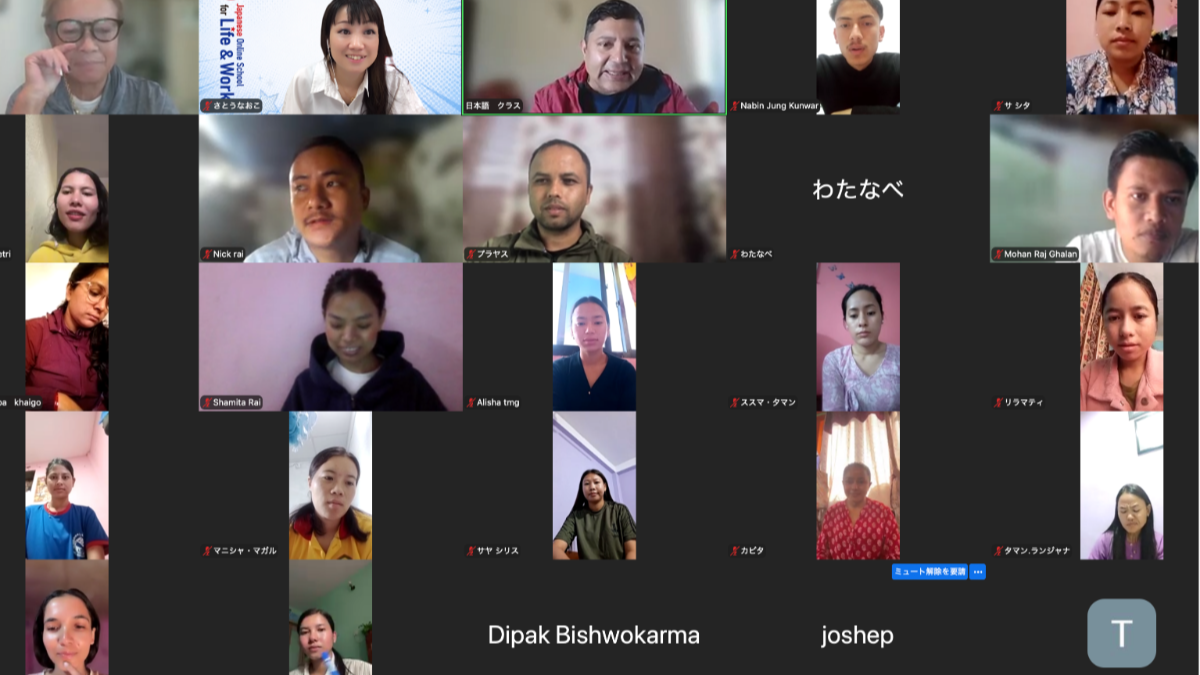
G. S様
「仕事のために日本に引っ越す準備をしていて、初日から自信を持って人とコミュニケーションを取りたいと思っています。私にとって、日本語を学ぶことは単に試験に合格するためだけではありません。日常の状況に対応し、同僚とつながり、新しい生活に備えることが目的です。」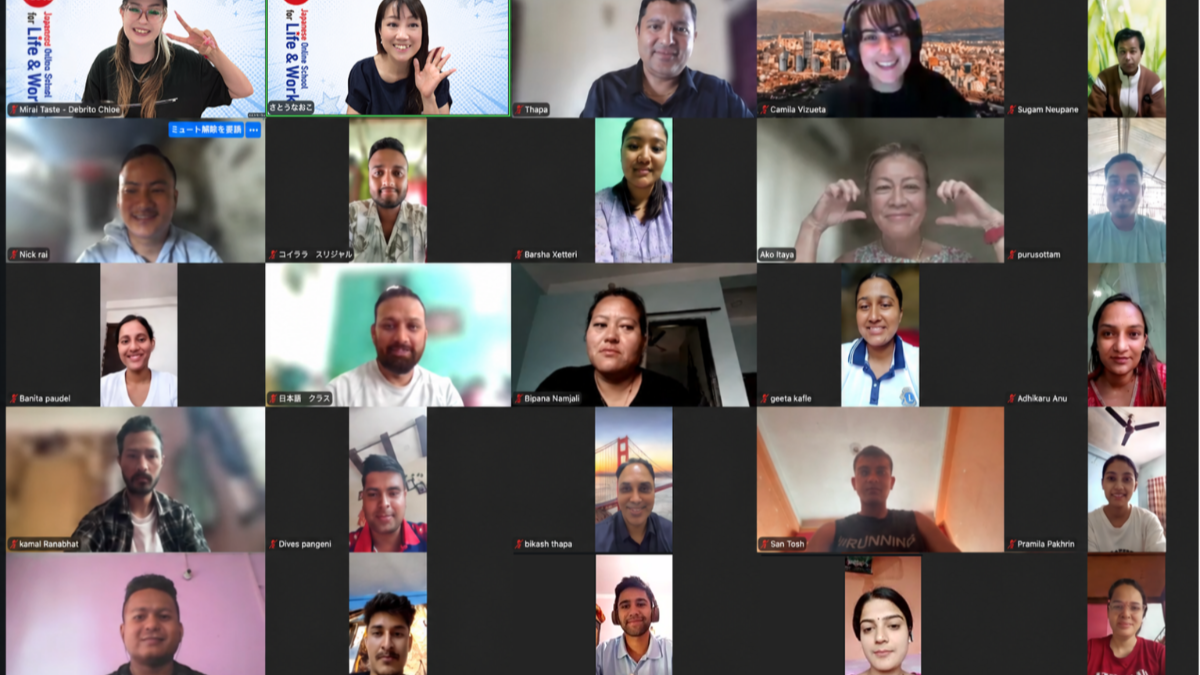
P. G様
「私の夢は日本で働き、将来のためにより良い機会を作ることです。すでに日本語を勉強しましたが、実際のコミュニケーションは教科書とは違うと分かっています。自然に話し、自分の気持ちを説明し、到着したときに直面する状況に備えたいです。」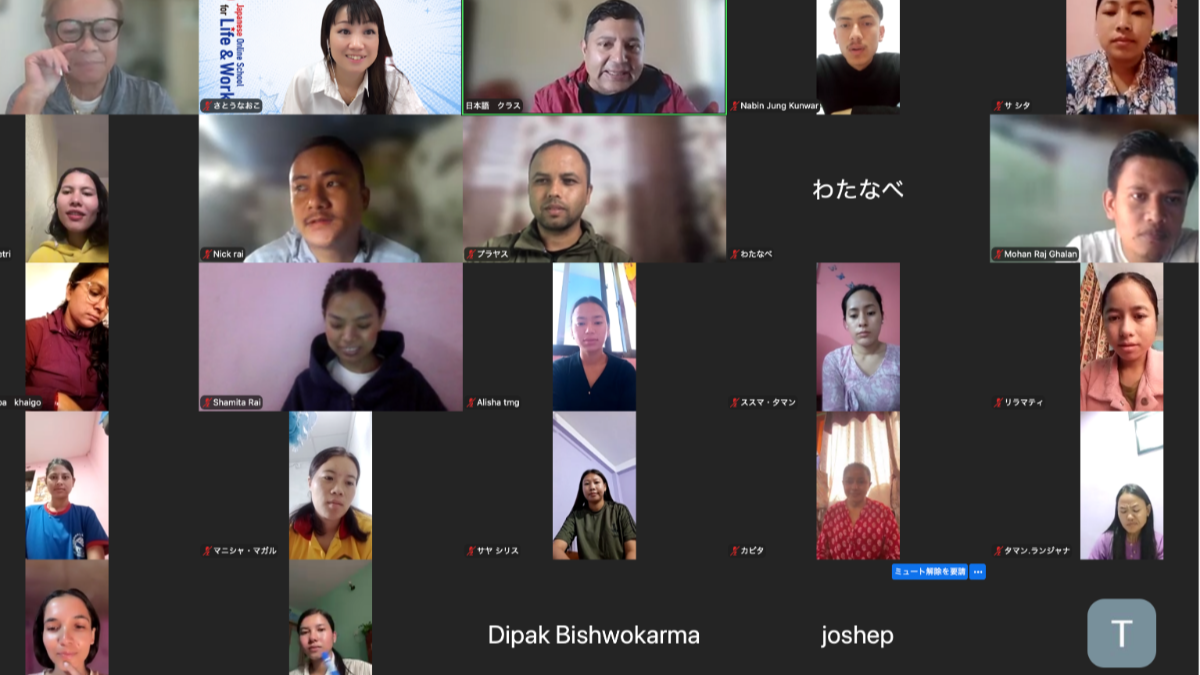
N. K様
「日本で生活し働く中で、コミュニケーションの重要性を実感しました。基本的な日本語を超えて、同僚ともっと気軽に話し、自分の考えを共有し、仕事上の会話を理解できるようになりたいです。日本語の上達は、キャリアを成長させるための重要な一歩です。」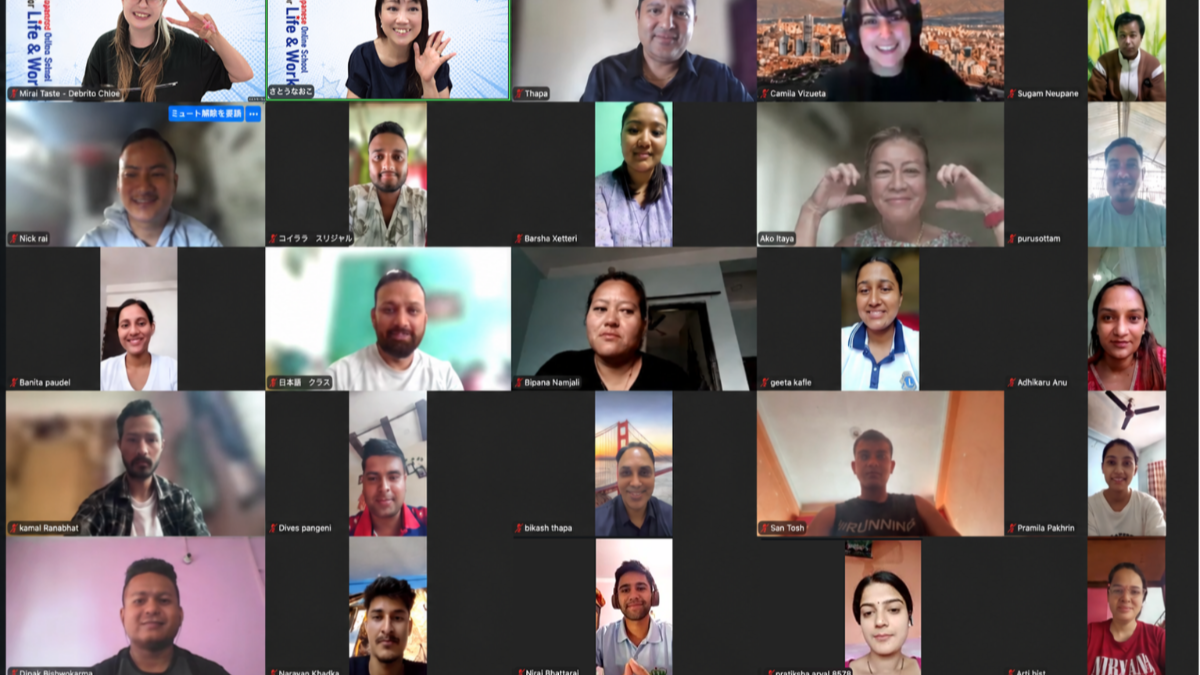
P. U様
「私は日本での生活を体験し、その文化を学び、個人的にも職業的にも成長したいと思っています。日本語を勉強することが最初の一歩ですが、友達を作り、自然な会話を楽しみ、周りの人々とつながりを感じたいとも思っています。言語こそが、この夢を現実に変える助けとなるのです。」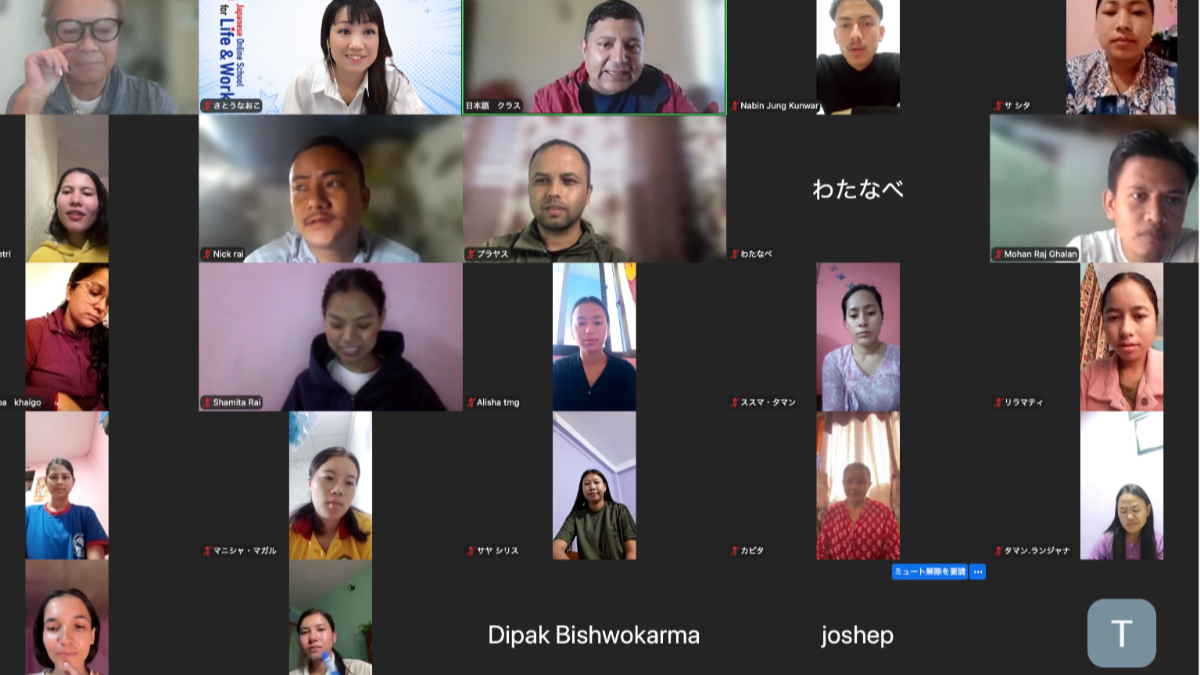
S. A様
「国際ビジネスにおいて、コミュニケーションは強固なパートナーシップの基盤です。私は日本の企業とより効果的に協力し、意義のあるプロフェッショナルな関係を築きたいので、日本語を学んでいます。私の目標は、単に語彙を暗記するのではなく、日本語でより自然に考え、コミュニケーションをとることです。」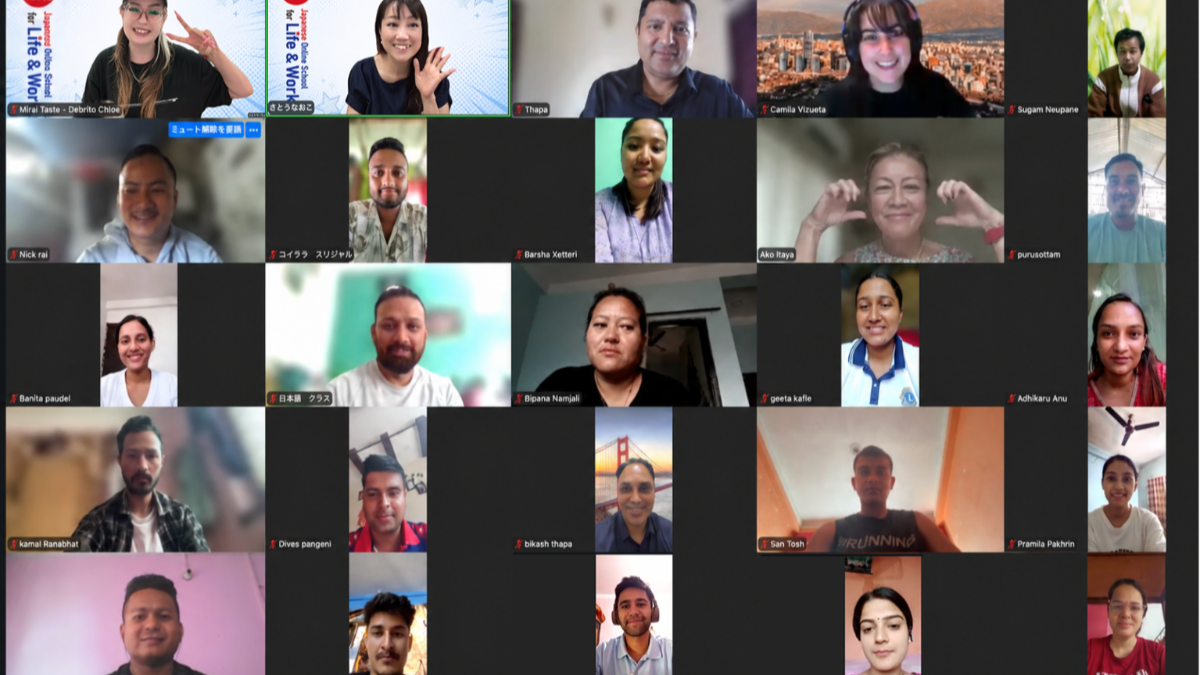
K. S様
「私は日本で働きたい、日本の文化を知り、より良い未来を築きたいと思っています。独学で日本語を学び始めましたが、特に日常会話を上達させたいです。自分の気持ちを表現し、他人を理解し、自信を持ってコミュニケーションできるようになることが、本当に大きな違いを生むと思います。」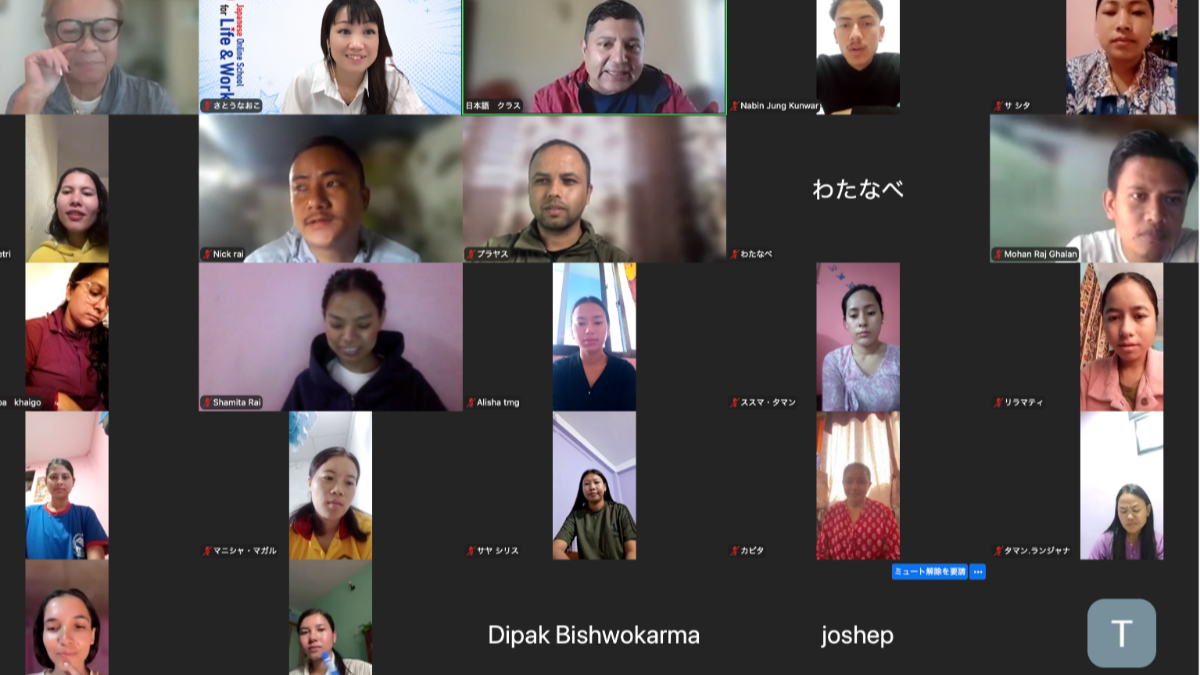
A. J様
「私は長年日本とその言語、文化を愛してきました。JLPT N1を取得した後でも、まだ学ぶべきことがたくさんあると感じています。日本語の暗黙のルールを理解し、ビジネスの場で自然に自分を表現することは、これからも向上させたい課題です。」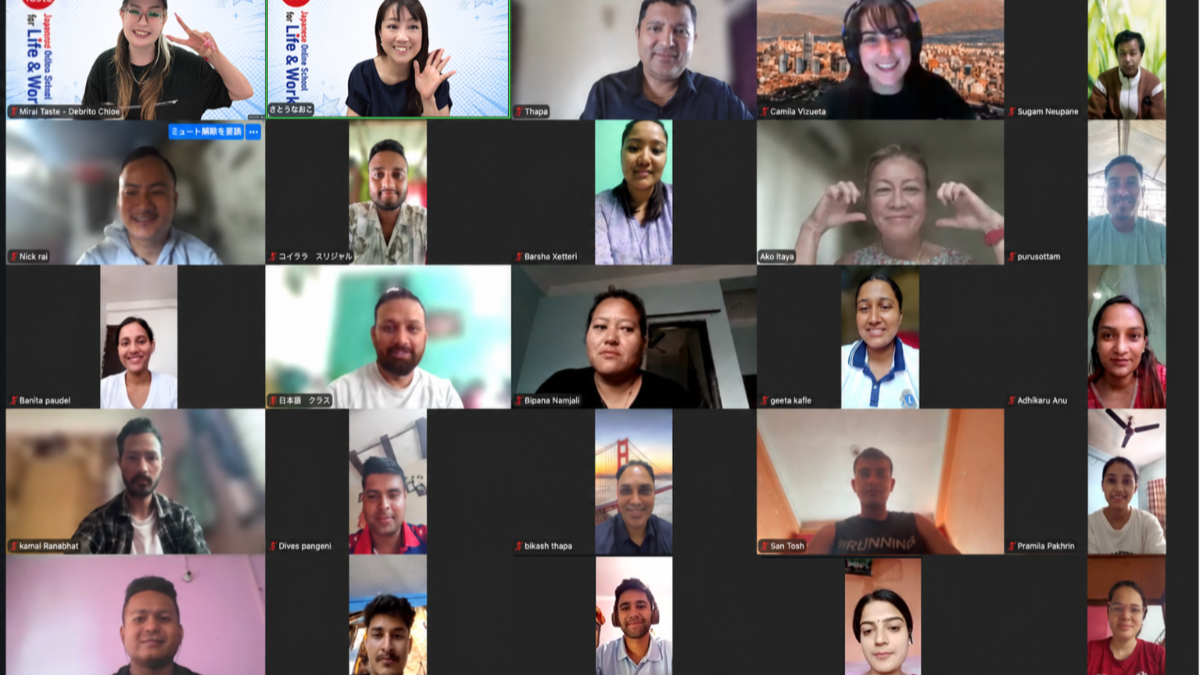
A. A様
「私は日本で働きたいと思っているので、日本語を勉強しています。そして、自分の周りの文化を理解したいです。日常の状況から職場でのコミュニケーションや緊急時まで、実際の会話に対応できるようになりたいです。実用的な日本語を学ぶことで、この次の章に向けてより準備が整うと感じています。」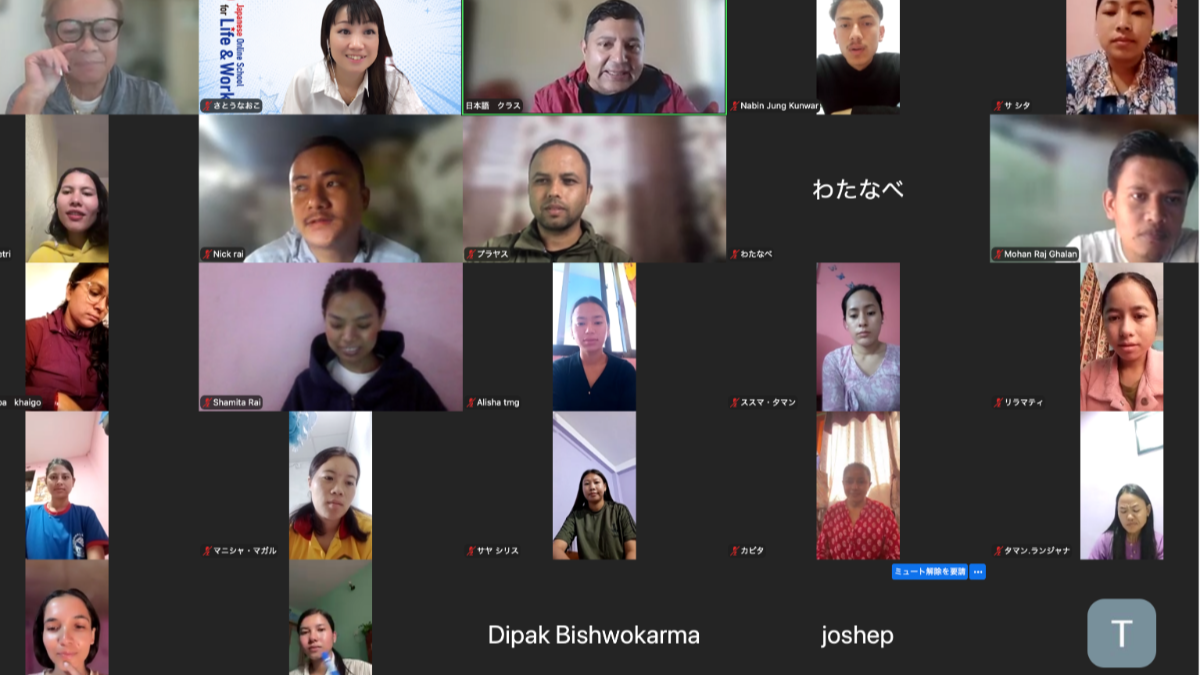
S. B様
「私は日本でキャリアを築きたいので、1年間日本語を勉強しています。しかし、語彙を知っていることと実際に会話ができることは全く別のことです。日常の状況で日本語をもっと自然に話せるようになりたいです。」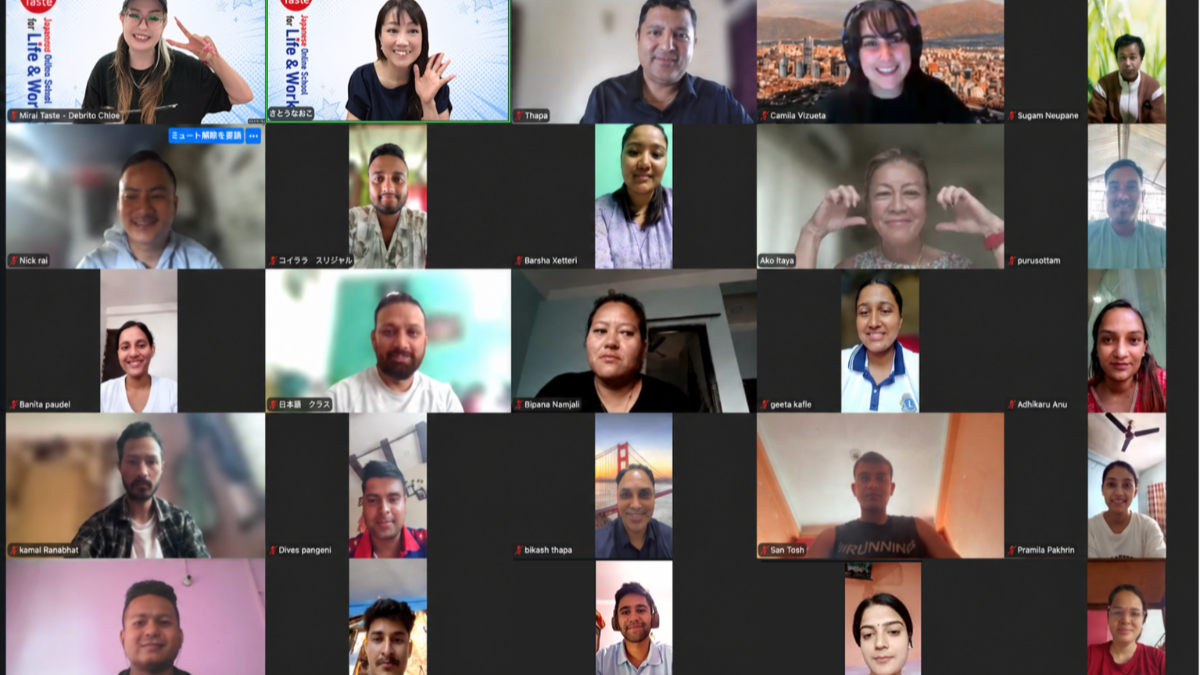
Y. S様
「私はプライベートの先生と一緒に日本語を学んでいて、コミュニケーション能力をさらに向上させたいと思っています。私の目標は、日本語でより自然に考え、日本人の同僚と快適にコミュニケーションを取れるようになることです。」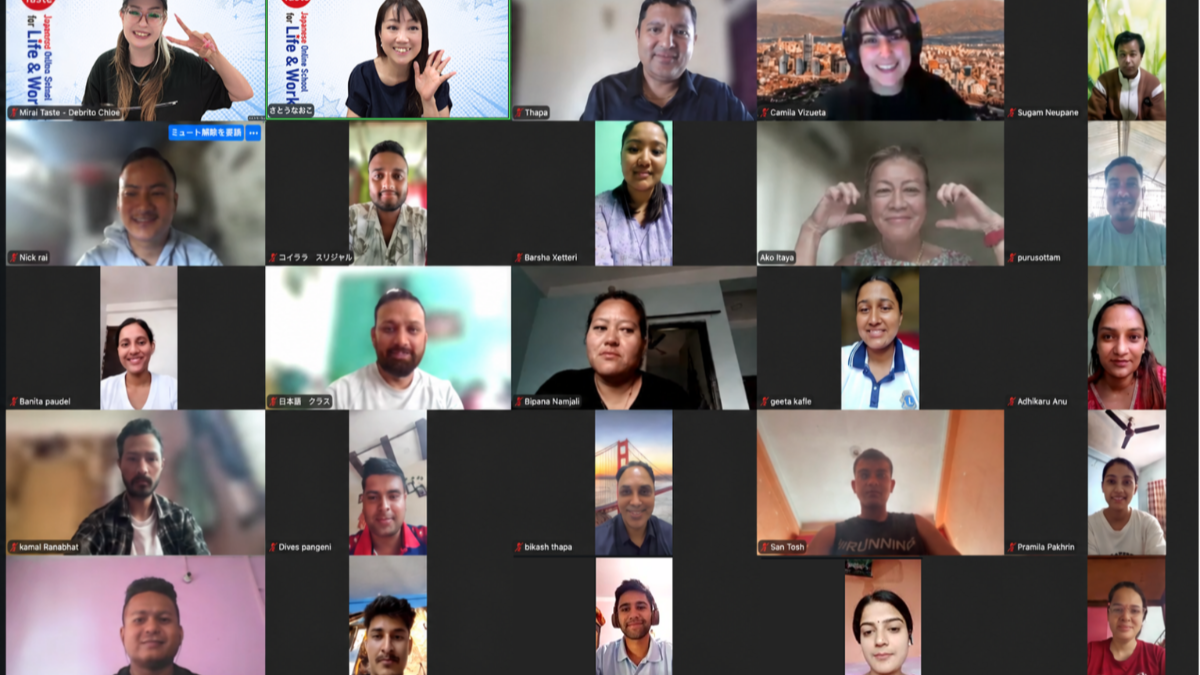
D. S様
「私は日本で働き、日本の文化を直接体験したいと思っています。言語は勉強しましたが、実際の会話を練習することがどれほど重要かを理解しています。私の目標は、同僚ともっと自信を持ってコミュニケーションを取り、日常生活で快適に過ごせるようになることです。」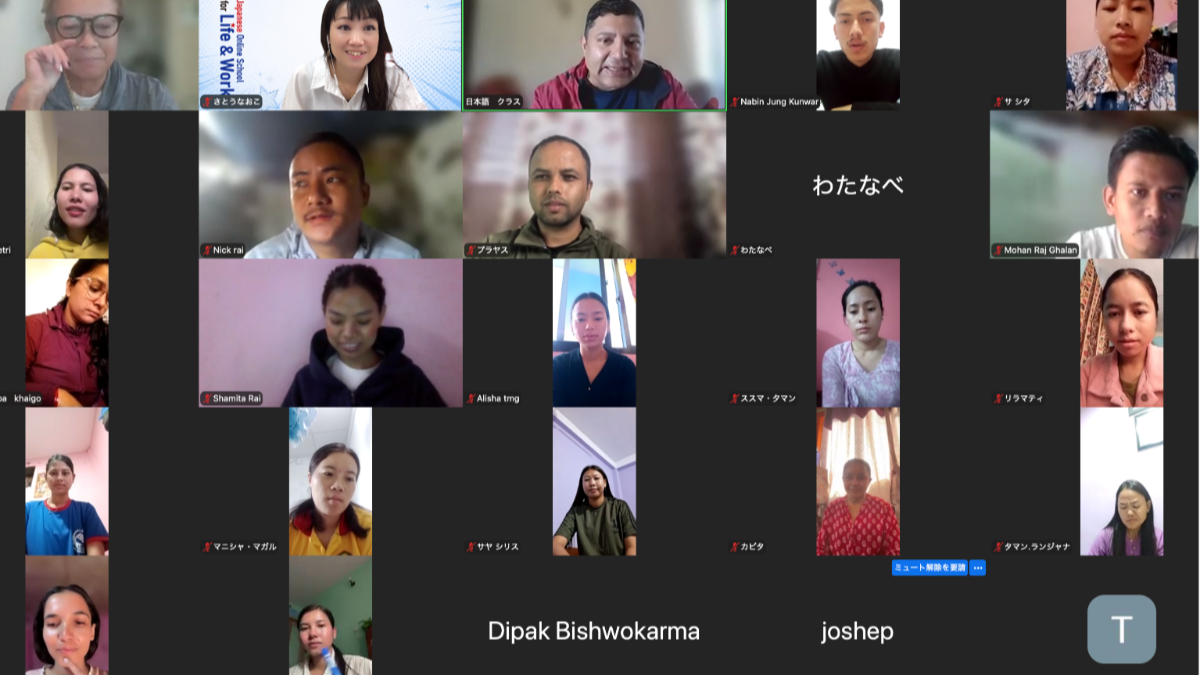
A. S様
「日本語を頭の中で翻訳するだけでなく、考えることができる言語にしたいです。もっとスムーズにコミュニケーションが取れるようになれば、仕事の面で役立つと思います。」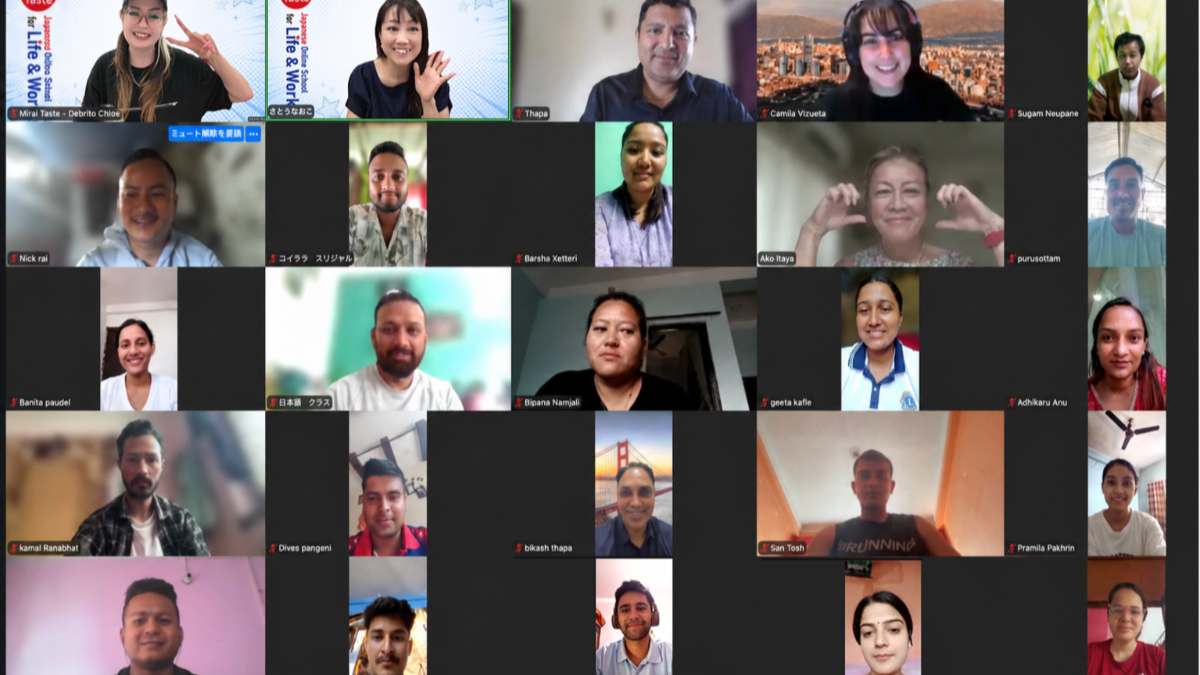
A. L様
「仕事のために日本語を上達させたいですが、学ぶことが他の人とつながる方法でもあってほしいです。誰かと練習したり、友達を作ったり、基礎を復習したりすることで、自信を持てるようになると思います。」
Chloé Debrito様
日本語レベル:N2レベル、2027年までにN1を目指しています。日本にほぼ10年間住んで初めて気づいたのは、話す能力が良くて日常生活で日本語のコミュニケーションに困らなくても、オフィスでのビジネス日本語は……全然ダメだということでした!! Mirai Tasteのディレクターの助けを借りて、オフィスの社員として電話の応対方法、メールの送り方、お客様とのコミュニケーションの仕方、そして正直なところどの日本語学校でも教えてくれない日本の企業文化の基本ルールについて学ぶことができました。 Mirai Tasteは、外国人があらゆる状況で日本文化により溶け込めるようにしたいという願いから生まれたサービスで、このサービスのおかげで日本での生活が大いに改善され、日本の労働力の一員としてより自信を持てるようになりました。ありがとう、Mirai Taste ♪




2026.11.20
Japanese Conversation Practice for Beginners: Start Here
Japanese Conversation Practice for Beginners: What to Say in Your First Lesson“I can’t speak Japanese yet. What would I even say to a teacher?”You might know a few greetings, recognize familiar words, or understand more than you can answer. But starting a conversation still feels like a big step.Japanese conversation practice for beginners can start with something small: introducing yourself, saying what you enjoy, and asking for help when you need it.Here is a short exchange you can try—and a way to bring your own goals into your first lesson.Start with a conversation you can make your ownRead this exchange once. Then replace the name, country, and activity with your own information.Teacher: はじめまして。お名前は何ですか。Hajimemashite. Onamae wa nan desu ka?Nice to meet you. What is your name?Learner: はじめまして。アレックスです。Hajimemashite. Arekkusu desu.Nice to meet you. I’m Alex.Teacher: ご出身はどちらですか。Goshusshin wa dochira desu ka?Where are you from?Learner: フランスです。Furansu desu.I’m from France.Teacher: 休みの日は何をしますか。Yasumi no hi wa nani o shimasu ka?What do you do on your days off?Learner: 映画を見ます。Eiga o mimasu.I watch movies.Your answers can be short. They give the other person something to respond to, and you can add details as you become more comfortable.Keep three helpful phrases nearbyA conversation may include words you have not learned yet. Prepare a few phrases that help you continue.Ask to hear the question againもう一度お願いします。Mō ichido onegai shimasu.Once more, please.Ask for slower speechもう少しゆっくり話してもらえますか。Mō sukoshi yukkuri hanashite moraemasu ka?Could you speak a little more slowly?Ask about an unfamiliar word「〇〇」はどういう意味ですか。“〇〇” wa dō iu imi desu ka?What does “〇〇” mean?Practice saying these aloud before your lesson. You can also keep them on a small note beside your screen.Using one of these phrases gives your teacher information about what you need.Choose one situation you want to practiceBefore your first lesson, think about a conversation you would like to handle in Japanese.Perhaps you want to order a drink, introduce yourself to a coworker, or answer a question about your weekend.Try writing your goal in one sentence:“I want to order at a café.”“I want to introduce myself at work.”“I want to ask questions when I don’t understand.”If you already know some Japanese, you could say:日本語でコーヒーを注文したいです。Nihongo de kōhī o chūmon shitai desu.I want to order coffee in Japanese.You can explain your goal using the language and words available to you. A specific situation gives you and your teacher a starting point.Turn a model sentence into speaking practiceFor a café conversation, start with one order:ホットコーヒーを一つお願いします。Hotto kōhī o hitotsu onegai shimasu.One hot coffee, please.Say it aloud, then change one part:アイスティーを一つお願いします。Aisu tī o hitotsu onegai shimasu.One iced tea, please.Next, practice answering a follow-up question:Staff: 店内でお召し上がりですか。Tennai de omeshiagari desu ka?Will you be having it here?You: はい、店内でお願いします。Hai, tennai de onegai shimasu.Yes, for here, please.Try the exchange again without reading. If you forget a word, look it up and repeat the conversation.With a teacher, you can also practice hearing a slightly different question and checking what it means.What if you freeze during the conversation?Take a moment and use a short phrase:ええと…。Eeto…Um… / Let me think…Then give the part of the answer you can manage.For example, if explaining your whole weekend feels difficult, begin with:買い物に行きました。Kaimono ni ikimashita.I went shopping.You can add where you went or what you bought afterward.If you still cannot answer, tell your teacher which part is difficult. Do you need a word? Did you miss the question? Are you unsure how to build the sentence?That becomes something you can work on together.Prepare for your first online Japanese conversation lessonKeep your preparation simple:Choose one everyday situation you want to practice.Prepare a short introduction.Keep your clarification phrases nearby.Bring a notebook for expressions you want to use again.Check your microphone and connection before joining.After the lesson, choose one exchange to repeat aloud. Notice what you can say independently and where you still need support.That gives you a focus for your next practice session.Try Japanese conversation practice with Mirai TasteMirai Taste’s free 20-minute online trial introduces practical Japanese for daily life and work. Learners of all levels are welcome, including beginners.The trial includes a beginner-friendly self-introduction, everyday conversation, and an introduction to workplace communication. It gives you an opportunity to try speaking and experience our learning approach.Bring a situation you would like to feel more comfortable handling in Japanese.Explore the free 20-minute Japanese trial lesson and check the available dates.To apply, select a date and time on the lesson page and complete the registration process.

2026.11.05
I Understand Japanese but Can’t Speak: What to Practice
I Understand Japanese, but I Can’t Speak: How to Start RespondingSomeone asks you a question in Japanese. You understand what they mean. You even know some of the words you need.But your answer takes so long to form that the other person switches to English—or the conversation moves on.If you keep thinking, “I understand Japanese, but I can’t speak,” start by looking at what happens between understanding the question and saying your answer.You may need practice choosing words, building a sentence or speaking before everything feels perfect. Here are some practical ways to work on that gap.Why understanding Japanese can feel easier than speakingWhen you listen, the other person provides the words. The situation, their gestures and familiar expressions can help you follow the meaning.When you answer, you have more decisions to make: what you want to say, which words to use and how to put them together.For example, you might recognize this question immediately:週末は何をしましたか。Shūmatsu wa nani o shimashita ka?What did you do over the weekend?Answering means choosing an activity, recalling its Japanese expression and using the right form.Instead of trying to produce a detailed story immediately, practice giving one clear answer.1. Make your first answer smallerImagine that you want to explain where you went, who you met and why the restaurant was worth visiting.Start here:友達とご飯を食べました。Tomodachi to gohan o tabemashita.I had a meal with a friend.Once that feels comfortable, add one detail:新宿で友達とご飯を食べました。Shinjuku de tomodachi to gohan o tabemashita.I had a meal with a friend in Shinjuku.Then another:とてもおいしかったです。Totemo oishikatta desu.It was very delicious.A short answer gives the conversation somewhere to go. You can build on it as you speak.2. Practice answers to questions people actually ask youChoose three questions connected to your daily life. For example:お仕事は何ですか。 — What do you do for work?休みの日は何をしていますか。 — What do you do on your days off?どんな食べ物が好きですか。 — What kind of food do you like?Prepare a short, truthful answer to each question. Say it aloud, then try again without reading.Next, change one detail. Talk about a different activity or explain another food you enjoy.This keeps the practice flexible: you are learning to use a sentence, rather than only memorizing one response.3. Give yourself words for the pauseYou do not have to answer immediately. A short phrase can help you stay involved while you think.そうですね…。Sō desu ne…Let me think…少し考えてもいいですか。Sukoshi kangaete mo ii desu ka?May I think for a moment?If a missing word is stopping you, ask:「〇〇」は日本語で何と言いますか。“〇〇” wa nihongo de nan to iimasu ka?How do you say “〇〇” in Japanese?And if you did not catch the question, もう一度お願いします (Mō ichido onegai shimasu, “Once more, please”) gives you another chance to listen.Asking for time or help is something you can practice, too.4. Turn one familiar expression into your own sentenceAfter studying a useful expression, connect it to something you genuinely want to say.For example:〜たいです。…tai desu.I want to…You could practice:今週末は映画を見たいです。Konshūmatsu wa eiga o mitai desu.I want to watch a movie this weekend.Then ask a question:どんな映画が好きですか。Donna eiga ga suki desu ka?What kind of movies do you like?You now have a starting point for an exchange: a statement about yourself and a question for the other person.5. Try a five-minute speaking routineChoose one familiar question and follow these steps:Read the question aloud.Answer in one or two sentences.Check one word or expression you needed.Answer again without looking at your notes.Add a question you could ask in return.For example, after describing your weekend, you could ask:週末はどうでしたか。Shūmatsu wa dō deshita ka?How was your weekend?Keep the routine manageable. You can return to the same question with a different answer tomorrow.Make room for imperfect conversationsYour first goal can be something small: answer one question, explain one preference or ask someone about their day.Notice what you managed to communicate and what you wanted to say next. That missing expression gives you a useful focus for your next practice session.You do not need to turn every conversation into a test of your Japanese.Take your next step with Mirai TasteAt Mirai Taste, we’re preparing online Japanese lessons for international residents who want to use Japanese in everyday life and at work.Our teachers are getting ready to support learners with different starting points and goals—including those who understand a question but need time to answer.Want to hear when lessons become available? Visit Mirai Taste and connect with us through our official LINE.Tell us one situation where you would like speaking Japanese to feel easier. It could be a conversation with a colleague, a question at a shop or simply introducing yourself.

2026.10.29
Duolingo and JLPT N5: How to Build Your Study Plan
Using Duolingo for Japanese? How to Prepare for JLPT N5 and Real ConversationsYour Japanese study streak is growing. You recognise more words. Now you’re wondering: can Duolingo help you prepare for JLPT N5 - and feel more comfortable speaking Japanese in Japan?It can be part of your routine. The next step is to connect your app practice with exam preparation and the situations you actually want to handle.Here’s a simple way to bring those goals together.Can you use Duolingo for JLPT N5 preparation?Duolingo offers Japanese exercises, including practice with hiragana, katakana and kanji. If you enjoy using it, you can keep it as one part of your study routine.However, completing app lessons is not proof that you are ready for a particular JLPT level.To check your readiness, try the official JLPT sample questions. Notice which vocabulary, grammar, reading and listening questions you can answer independently—and which ones leave you guessing.Use that information to choose what to study next.Understand what the JLPT measuresThe JLPT has five levels, from N5 to N1. N5 is the most accessible level, followed by N4, N3, N2 and N1.The test assesses language knowledge, reading and listening. It does not include a speaking interview or a written composition.That means exam preparation and conversation practice serve different needs. You might recognise a sentence in a question but need more practice producing a similar sentence yourself.If you live in Japan, it makes sense to include both in your learning plan.Turn one study point into an everyday conversationSuppose you are practicing how to talk about where you went.Start with a sentence about your own life:昨日、スーパーに行きました。Kinō, sūpā ni ikimashita.I went to the supermarket yesterday.Then prepare a question:何を買いましたか。Nani o kaimashita ka?What did you buy?And an answer:野菜とパンを買いました。Yasai to pan o kaimashita.I bought vegetables and bread.Now practice the exchange without looking at your notes. Change the place, the day or what you bought.You are giving familiar vocabulary a job: helping you say something about your day.Build a routine with three kinds of practiceTry this starting plan and adjust it to your schedule:PracticeWhat to doShort daily reviewUse your app or notes to revisit vocabulary, characters and example sentences.Focused JLPT studyWork on questions for your target level. Review why each mistake happened.Regular conversationUse what you studied to describe your life, ask questions and respond aloud.For listening practice, check your understanding before reading a transcript. For conversation, try answering before looking at a model sentence.You do not have to do everything in one session. Choose a routine you can return to.Not sure whether to aim for N5 or N4?Start with the official JLPT level descriptions and sample questions.Avoid choosing a level based only on how long you have studied or how far you have progressed in an app. Your reading, listening and speaking abilities may develop at different speeds.A teacher can help you identify what feels secure, what needs work and how to build a realistic plan around your goal.Bring your Japanese into the conversation with Mirai TasteKeep the study habits you enjoy—and give yourself opportunities to use what you learn.At Mirai Taste, our teachers adapt lessons to your level and goals, including everyday conversation and JLPT preparation. Bring a grammar question, a difficult listening exercise or something you wanted to say at work.You do not need to wait until you finish an app course or pass an exam to start speaking.Explore a Japanese trial lesson and tell us what you would like to work towards.Small steps can include both a study session and a conversation.
アクセス
東京メトロ銀座線
田原町駅 – 徒歩10分
稲荷町駅 – 徒歩10分
つくばエクスプレス
浅草駅 – 徒歩8分
東京メトロ銀座線
浅草駅 – 徒歩15分
★最寄駅
■ご注意:レッスンはオンラインで行われます。ワークショップについては、各ワークショップページに記載されている場所をご確認ください。
■運営会社所在地
○ 田原町駅(銀座線)から
A2出口を出て、かっぱ橋通り方面へ渡り、包丁店で右折し30メートル直進。左手にあります。
○ 稲荷町駅(銀座線)から
浅草方面へ直進し、元浅草3丁目で左折、マイバスケットを通り過ぎ、最初の通りで左折。10メートル先の右手です。
★ 行き方


日本語を話そう、
夢に生きよう


2-2-10 Matsugaya, Taito-ku, Tokyo, Japan
Phone: +81-3-6231-7400